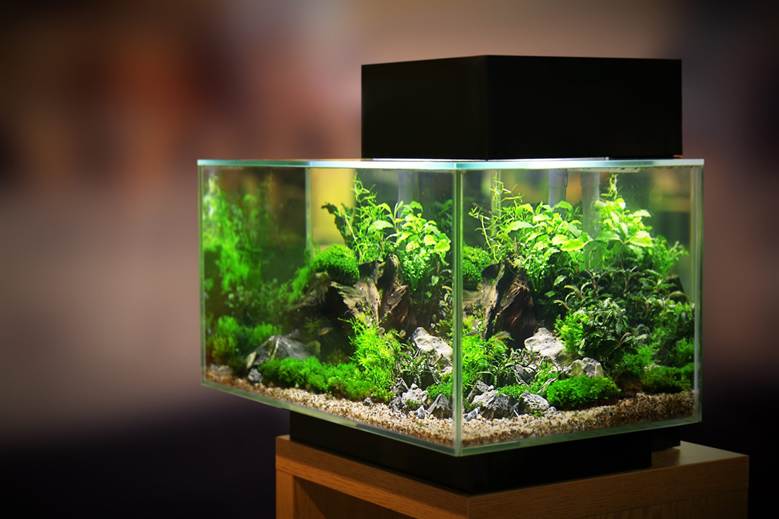
Lighting is one of the most influential and often underestimated elements of a successful aquarium. While many people initially think of lighting as purely aesthetic, its role extends far beyond simply illuminating a tank. Proper aquarium lighting directly affects the health of fish, the growth of plants and corals, and the overall visual experience of the aquarium itself.
From advanced LED systems with customizable spectrums to the strategic timing of light cycles, modern aquarium lighting is both a science and an art. Ryan Kellogg of Ohio emphasizes that understanding how it works and how to use it effectively can make the difference between a thriving, vibrant ecosystem and one that struggles to maintain balance.
The Dual Purpose of Aquarium Lighting
Aquarium lighting serves two primary functions: supporting biological processes and enhancing visual appeal.
On the biological side, light is essential for photosynthesis. Aquatic plants and photosynthetic corals rely on light to convert energy into growth. Without adequate lighting, plants will weaken, algae may take over, and the overall ecosystem can become unstable.
On the visual side, lighting shapes how the aquarium is perceived. It highlights colors, creates depth, and sets the mood of the space. The right lighting can make fish appear more vibrant, bring out subtle textures in aquascaping, and transform the tank into a dynamic focal point.
Balancing these two roles is key. Lighting that looks good but fails to support life will lead to long-term issues, while overly intense or poorly tuned lighting can cause stress or excessive algae growth.
Understanding Light Spectrum and Its Importance
Not all light is created equal. Aquarium lighting is measured not just by brightness, but by spectrum, the range of wavelengths emitted by the light source.
Different wavelengths serve different purposes:
- Blue light (short wavelengths): Promotes coral growth and enhances fluorescence in saltwater tanks. It penetrates water effectively, making it especially important in reef aquariums.
- Red light (long wavelengths): Supports plant growth in freshwater systems but can also encourage algae if overused.
- Green light (mid-spectrum): Contributes to balanced plant growth and natural color rendering.
For freshwater planted tanks, a full-spectrum light that mimics natural daylight is typically ideal. For reef systems, lighting often leans heavily toward blue wavelengths to replicate ocean conditions and support coral health.
Modern lighting systems allow aquarists to fine-tune these spectrums, adjusting intensity and color balance to suit specific needs.
Lighting Technologies: From Fluorescent to LED
Aquarium lighting has evolved significantly over the years, with several technologies shaping the industry.
Fluorescent Lighting
Fluorescent lights, including T5 and T8 bulbs, were once the standard for aquariums. They provide relatively even light distribution and are still used in some setups today.
However, they have limitations. Bulbs need to be replaced regularly, energy efficiency is lower compared to newer technologies, and spectrum customization is limited.
Metal Halide Lighting
Metal halide lighting was historically popular for reef aquariums due to its intense brightness and ability to penetrate deep tanks. It produces a shimmering effect that mimics sunlight in water.
Despite its strengths, metal halide lighting generates significant heat and consumes more energy, making it less practical for many modern applications.
LED Lighting: The Modern Standard
Today, LED (light-emitting diode) lighting has become the dominant technology in aquarium systems, and for good reason.
LED lights offer several key advantages:
- Energy efficiency: Lower power consumption compared to older technologies
- Longevity: LEDs last significantly longer, reducing maintenance
- Customizability: Adjustable intensity, spectrum, and color channels
- Low heat output: Reduces the risk of temperature fluctuations
Many advanced LED systems include programmable settings that simulate natural conditions, such as sunrise, sunset, and even cloud cover. This level of control allows aquarists to create more stable and natural environments.
The Role of Lighting in Plant Growth
In planted aquariums, lighting is one of the primary drivers of plant health. The intensity and duration of light directly influence photosynthesis, which in turn affects growth rate, coloration, and overall vitality.
Too little light can lead to:
- Slow or stunted growth
- Yellowing or dying leaves
- Weak root systems
Too much light, on the other hand, can create imbalances—especially if nutrients and carbon dioxide levels are not adjusted accordingly. This often results in algae outbreaks, which can quickly overtake a tank.
The goal is to find the right balance. Moderate to high light levels, paired with proper nutrient management, support lush, vibrant plant growth without encouraging unwanted algae.
Lighting in Reef Aquariums: Supporting Coral Health
In saltwater reef systems, lighting plays an even more critical role. Corals rely on symbiotic algae (zooxanthellae) that live within their tissues. These algae use light to produce energy, which in turn supports coral growth and coloration.
Blue and violet wavelengths are particularly important in reef tanks, as they penetrate water effectively and align with the natural light conditions found in marine environments.
Insufficient lighting can cause corals to lose color or fail to grow, while excessive intensity can lead to bleaching—a condition where corals expel their symbiotic algae due to stress.
This is why many reef aquarists invest in high-quality LED systems with precise spectrum control, allowing them to tailor lighting conditions to specific coral species.
Photoperiod: Timing Matters
Beyond intensity and spectrum, the duration of lighting, known as the photoperiod, is another crucial factor.
Most aquariums benefit from a lighting cycle of 8 to 10 hours per day. This mimics natural daylight patterns and provides enough time for photosynthesis without overexposing the tank.
Leaving lights on for too long can encourage algae growth and disrupt natural rhythms, while too little light can hinder plant and coral development.
Timers or programmable lighting systems are highly recommended to maintain consistency. Sudden changes in lighting schedules can stress aquatic life, so gradual adjustments are best when changes are needed.
Enhancing Visual Appeal Through Lighting Design
While biology is the foundation, lighting also plays a major role in how an aquarium is experienced visually.
Strategic lighting can:
- Enhance the natural colors of fish and plants
- Create depth and contrast within the aquascape
- Highlight focal points, such as driftwood or rock formations
- Add dynamic effects, such as shimmering or shadowing
Cooler, blue-toned lighting tends to create a sleek, modern aesthetic, while warmer tones can produce a more natural, earthy feel. Many aquarists use a combination of both to achieve balance.
Positioning also matters. Overhead lighting is standard, but additional accent lighting or background illumination can elevate the overall presentation, especially in high-end or custom installations.
Avoiding Common Lighting Mistakes
Despite its importance, lighting is often mismanaged, especially in newer setups.
Common mistakes include:
- Using lighting that is too intense without a proper nutrient balance
- Leaving lights on for excessive periods
- Failing to match lighting to the specific needs of plants or corals
- Ignoring the impact of natural sunlight on the tank
Addressing these issues early can prevent many of the most common aquarium problems, including algae outbreaks and poor plant health.
Lighting as a Cornerstone of Aquarium Success
Aquarium lighting is far more than a finishing touch; it is a foundational component that influences nearly every aspect of a tank’s success. From supporting biological processes to enhancing visual appeal, the right lighting system brings an aquarium to life in every sense.
With advancements in LED technology and spectrum control, aquarists now have unprecedented ability to fine-tune their lighting environments. This not only improves the health and longevity of aquatic life but also opens the door to more creative and impactful designs.
In the end, lighting is where science meets artistry. When used thoughtfully, it transforms an aquarium from a simple display into a thriving, dynamic ecosystem that captivates and endures.