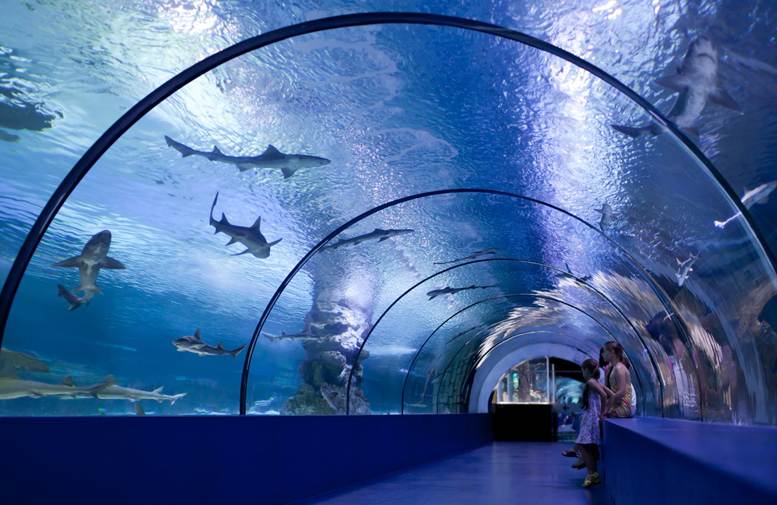
Large-scale custom aquariums are more than just eye-catching design features, Ryan Kellogg emphasizes that they are highly engineered, living systems that require meticulous planning, technical expertise, and coordinated execution. Whether installed in a luxury home, corporate office, hotel, or healthcare facility, these aquariums represent a fusion of architecture, biology, and technology.
What appears to be a seamless pane of glass filled with vibrant aquatic life is, in reality, the result of weeks or even months of behind-the-scenes work. From structural assessments and design integration to logistics, installation, and long-term maintenance planning, every stage plays a critical role in ensuring the aquarium is both visually stunning and functionally sound.
Concept Development: Defining the Vision
Every large-scale aquarium installation begins with a vision. This phase involves collaboration between the client, designers, and aquarium specialists to define the purpose and aesthetic goals of the installation.
Is the aquarium meant to serve as a dramatic focal point in a lobby? A calming feature in a medical office? A branded experience in a retail or hospitality setting? These questions guide decisions around size, shape, placement, and overall design direction.
During this stage, considerations such as viewing angles, lighting conditions, and integration with surrounding architecture are explored. The goal is to ensure the aquarium complements the space rather than feeling like an afterthought.
Engineering and Structural Planning
Once the concept is established, the project moves into a highly technical phase: engineering and structural planning.
Large aquariums are incredibly heavy. Water alone weighs over eight pounds per gallon, and when combined with glass or acrylic panels, substrate, rockwork, and equipment, the total weight can reach several thousand pounds. Structural engineers are often consulted to assess whether the building can support the load, particularly in multi-story installations.
Material selection is another critical decision. While glass is commonly used in smaller aquariums, large-scale systems often rely on acrylic due to its strength, clarity, and ability to be molded into custom shapes. Acrylic panels can be manufactured in curved or seamless designs, offering greater flexibility for unique installations.
Engineers also design the life-support systems that keep the aquarium functioning. This includes filtration, water circulation, heating or cooling, and lighting. These systems must be scaled appropriately for the size of the tank and the type of livestock it will house.
Design Integration: Blending with Architecture
One of the defining characteristics of a successful custom aquarium is how well it integrates into its environment. Rather than appearing as a standalone object, the aquarium should feel like a natural extension of the space.
This often involves working closely with architects and interior designers to incorporate the tank into walls, cabinetry, or structural elements. In-wall aquariums, room dividers, and column installations are common approaches that create a seamless look.
Design integration also extends to equipment concealment. Pumps, filters, and plumbing must be accessible for maintenance but hidden from view to preserve the clean aesthetic. This often requires dedicated service areas or behind-the-scenes access points.
Lighting design is another important factor. The aquarium’s internal lighting must be balanced with the ambient lighting of the space to ensure it stands out without overwhelming the environment.
Logistics and Transportation
Transporting and installing a large aquarium is a logistical challenge that requires careful coordination. Unlike smaller tanks, these systems cannot simply be carried through a doorway.
Custom aquariums are often manufactured off-site and delivered in sections or as a single large unit, depending on the design. This process may involve cranes, rigging equipment, and specialized transport vehicles.
Access to the installation site must be evaluated in advance. Doorways, hallways, elevators, and even exterior access points are measured to ensure the aquarium can be delivered safely. In some cases, windows or walls may need to be temporarily removed to accommodate installation.
Timing is also critical. Aquarium installation is typically coordinated with broader construction or renovation schedules to ensure all components are in place at the right time.
Installation and System Setup
Once the aquarium arrives on-site, the installation process begins. This phase involves placing the tank, securing it within its designated structure, and connecting all life-support systems.
Plumbing is installed to facilitate water flow between the tank and filtration systems, which may be located in a separate room or hidden compartment. Electrical connections are established for lighting, pumps, and monitoring systems.
After the physical setup is complete, the tank is filled with water and undergoes initial testing. This includes checking for leaks, verifying system functionality, and ensuring all components are operating as intended.
Cycling and Ecosystem Development
Before any fish or corals are introduced, the aquarium must go through a cycling process to establish a stable biological environment. This involves cultivating beneficial bacteria that break down waste and maintain water quality.
For large-scale systems, this process can take several weeks and is closely monitored by aquarium professionals. Water parameters such as ammonia, nitrites, nitrates, pH, and temperature are tested regularly to ensure the system is progressing correctly.
Only once the aquarium is fully cycled and stable can livestock be added. Even then, stocking is done gradually to allow the system to adjust and maintain balance.
Livestock Selection and Aquascaping
With the system ready, attention turns to aquascaping and livestock selection. This phase combines artistry with ecological planning.
Aquascaping involves arranging rocks, plants, or coral structures to create a visually appealing and functional environment. In large installations, this may be done in sections or with pre-designed structures to ensure stability and consistency.
Livestock is selected based on the intended aesthetic, compatibility, and environmental conditions of the tank. In commercial settings, species are often chosen for their visual appeal and resilience, ensuring they thrive in a high-visibility environment.
Ongoing Maintenance and Monitoring
The installation of a large-scale aquarium is not the end of the process—it is the beginning of an ongoing commitment. These systems require regular maintenance to remain healthy and visually appealing.
Professional maintenance services are often employed to handle tasks such as water testing, cleaning, equipment checks, and livestock care. Advanced monitoring systems may also be installed to track water conditions in real time and alert technicians to potential issues.
Consistency is key. Routine care ensures the aquarium continues to function as intended and prevents small issues from becoming major problems.
Coordination Across Disciplines
One of the most complex aspects of large-scale aquarium installations is the level of coordination required. These projects often involve multiple stakeholders, including clients, designers, engineers, contractors, and aquarium specialists.
Clear communication and project management are essential to keep everything on track. Each phase must align with the others, from structural planning to final stocking, to ensure a successful outcome.
More Than a Display
A large-scale custom aquarium is far more than a decorative feature. It is a carefully engineered ecosystem, a design statement, and a long-term investment all in one.
What happens behind the glass—planning, engineering, logistics, and coordination—is what makes the visible result possible. When executed correctly, these installations not only enhance a space but also create lasting impressions, offering a dynamic and living experience that few other design elements can match.
Understanding what goes into these projects reveals the true value of custom aquariums—not just as visual centerpieces, but as complex systems that bring together the best of design, science, and craftsmanship.