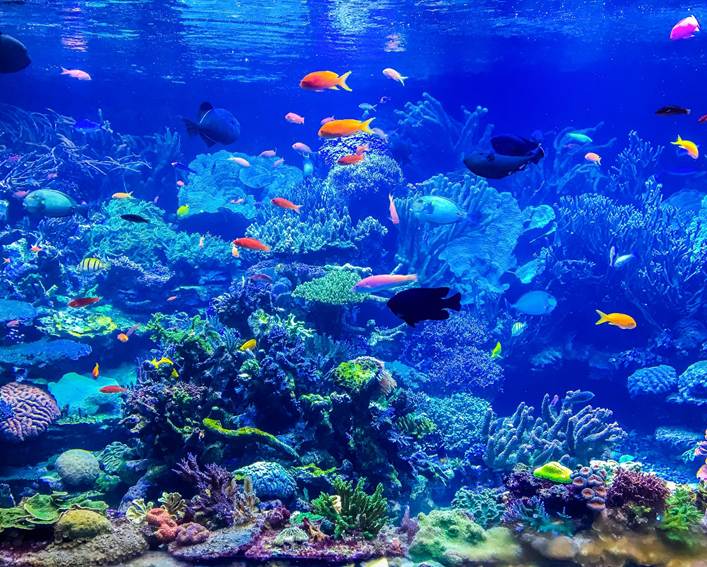
Designing an aquarium is as much about the life inside it as it is about the tank itself. While equipment, aquascaping, and lighting lay the foundation, livestock selection ultimately determines whether an aquarium thrives or struggles. Choosing fish, corals, and plants isn’t simply a matter of picking what looks appealing. Ryan Kellogg of Ohio explains that it requires a thoughtful balance between visual impact, species compatibility, and long-term sustainability.
A well-stocked aquarium feels cohesive, natural, and stable. A poorly planned one, on the other hand, can quickly descend into stress, aggression, disease, or ecological imbalance. Understanding how to approach livestock selection strategically ensures that your aquarium remains both beautiful and biologically sound.
Starting with the End in Mind
Before selecting any livestock, it’s important to define the purpose and vision of your aquarium. Are you aiming for a vibrant, colorful display? A peaceful, nature-inspired ecosystem? A highly specialized reef tank?
Your goals will influence every decision that follows. For example, a community freshwater tank might prioritize calm, schooling fish and lush plants, while a reef aquarium may focus on coral diversity and compatible marine species. Starting with a clear concept helps prevent impulsive decisions that can lead to compatibility issues later on.
It’s also essential to consider the size of your tank. Larger aquariums offer more flexibility in terms of species selection and stocking levels, while smaller tanks require more restraint and precision.
Aesthetics: Creating a Cohesive Visual Experience
Aesthetics often drive initial livestock choices—and for good reason. Color, movement, and variety are what make aquariums so captivating.
However, visual appeal goes beyond simply adding as many colorful species as possible. The most effective aquariums use contrast and balance to create a harmonious composition. This might include:
- Color coordination: Pairing complementary colors or creating focal points with standout species
- Movement variety: Combining active swimmers with more stationary or slow-moving species
- Layering: Utilizing top, mid, and bottom-dwelling species to create depth and interest
For planted aquariums, plant selection plays a major role in aesthetics. Mixing different leaf shapes, heights, and textures can create a dynamic underwater landscape. Similarly, in reef tanks, corals with varying forms—branching, encrusting, or soft—add visual complexity.
The goal is to design a living display that feels intentional rather than crowded or chaotic.
Compatibility: The Foundation of a Healthy Ecosystem
While aesthetics are important, compatibility is what determines whether your aquarium will function successfully over time. Not all species can coexist peacefully, and ignoring compatibility is one of the most common causes of aquarium failure.
Behavioral Compatibility
Fish behavior varies widely. Some species are peaceful and social, while others are territorial or aggressive. Mixing incompatible temperaments can lead to stress, injury, or even death.
For example, aggressive species may bully or outcompete more passive fish for food and space. Similarly, fin-nipping species can damage the fins of slower-moving fish.
Researching each species’ temperament and social needs is essential. Some fish thrive in groups (schooling fish), while others prefer solitude or specific pairings.
Environmental Compatibility
Different species have different environmental requirements, including temperature, pH, water hardness, and salinity. Combining species with conflicting needs can create chronic stress, even if aggression is not an issue.
For instance, tropical freshwater fish require warm, stable temperatures, while cold-water species like goldfish have entirely different needs. In saltwater systems, certain corals and fish may require highly specific lighting or flow conditions.
Ensuring that all livestock share compatible environmental requirements is critical for long-term health.
Dietary Compatibility
Feeding is another important consideration. Some species are herbivores, others are carnivores, and many are omnivores. Incompatible diets can lead to competition, malnutrition, or water quality issues if uneaten food accumulates.
Choosing species with similar dietary needs—or planning a feeding strategy that accommodates all inhabitants—helps maintain balance.
Sustainability: Thinking Beyond the Tank
Sustainability is becoming an increasingly important factor in aquarium livestock selection. The aquarium industry has made significant strides in promoting ethical sourcing and captive breeding, but not all species are equally sustainable.
Captive-Bred vs. Wild-Caught
Whenever possible, selecting captive-bred species is a responsible choice. These animals are typically more adaptable to aquarium conditions, less prone to disease, and reduce pressure on wild populations.
In contrast, wild-caught specimens may require more specialized care and can contribute to environmental strain if not sourced responsibly.
Responsible Coral and Plant Sourcing
In reef aquariums, choosing aquacultured corals—grown in controlled environments—supports sustainability while offering hardier specimens. Similarly, many aquatic plants are cultivated commercially, reducing the need for wild harvesting.
Avoiding Invasive or Problematic Species
Some species may seem appealing but can become problematic due to rapid growth, aggressive behavior, or environmental impact. Being mindful of these risks helps prevent future issues and promotes responsible aquarium keeping.
Stocking Levels and Bioload
Another critical aspect of livestock selection is understanding bioload—the amount of waste produced by the organisms in your tank. Overstocking can overwhelm the filtration system, leading to poor water quality and health problems.
A balanced approach involves:
- Selecting an appropriate number of fish for your tank size
- Considering the adult size of each species, not just their size at purchase
- Allowing space for natural behavior and movement
It’s also wise to add livestock gradually rather than all at once. This allows the biological filtration system to adjust and prevents sudden spikes in waste levels.
The Role of Cleanup Crews and Supporting Species
A well-rounded aquarium often includes more than just fish or focal species. “Cleanup crew” organisms play an important role in maintaining balance.
In freshwater tanks, this might include algae-eating fish, snails, or shrimp. In reef systems, cleanup crews often consist of snails, hermit crabs, and other invertebrates that help control algae and detritus.
These supporting species contribute to the overall health of the ecosystem while adding subtle visual interest.
Planning for Growth and Change
One of the most overlooked aspects of livestock selection is planning for the future. Fish grow, plants spread, and corals expand. What looks balanced today may become overcrowded in a few months.
Anticipating growth helps prevent the need for difficult decisions later, such as rehoming fish or drastically altering the tank. It also ensures that the aquarium remains stable as it matures.
Creating a Balanced and Thriving Aquarium
Successful livestock selection is about more than choosing attractive species—it’s about creating a system where all elements work together. When aesthetics, compatibility, and sustainability are aligned, the result is an aquarium that feels natural, balanced, and alive.
This process requires research, patience, and thoughtful planning, but the payoff is significant. A well-curated aquarium not only looks stunning but also supports the health and well-being of its inhabitants over the long term.
In the end, the best aquariums are those that respect both the art of design and the science of ecology. By approaching livestock selection with intention, you create more than just a display, you create a thriving, living ecosystem that continues to evolve and inspire.