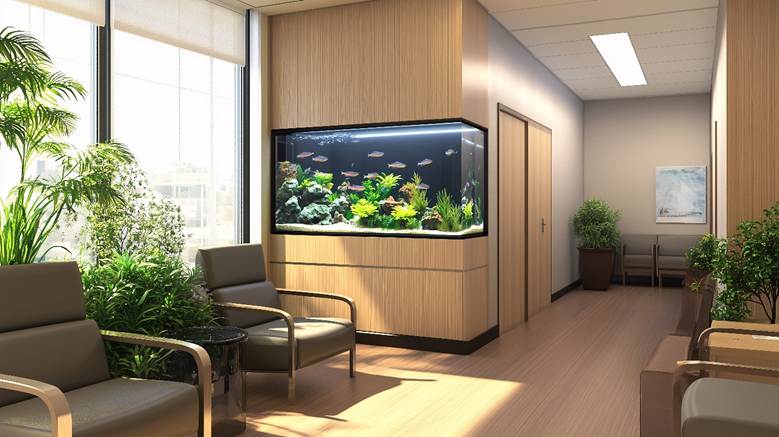
In an increasingly digital, fast-paced world, the spaces we occupy have a profound impact on how we feel, think, and perform. As businesses look for ways to improve employee well-being, enhance customer experiences, and differentiate their environments, one concept has gained significant traction: biophilic design.
Biophilic design is rooted in the idea that humans have an inherent connection to nature. Ryan Kellogg emphasizes that by integrating natural elements into built environments, this design philosophy aims to reduce stress, improve cognitive function, and create more engaging, restorative spaces. While this can include everything from natural light and greenery to organic materials and textures, one of the most dynamic and impactful applications is the incorporation of living systems, particularly aquariums.
From offices and healthcare facilities to retail and hospitality environments, aquariums are emerging as powerful tools within the broader movement toward biophilic design.
What Is Biophilic Design?
Biophilic design goes beyond simply adding plants or natural décor to a space. It is a holistic approach that intentionally incorporates elements of nature into architecture and interior design to support human health and well-being.
This can take many forms, including:
- Access to natural light and outdoor views
- Use of natural materials like wood and stone
- Incorporation of greenery and living walls
- Water features and organic shapes
- Sensory engagement through sound, movement, and texture
The goal is to create environments that feel more natural, calming, and connected to the outside world—even within urban or highly constructed settings.
Why Biophilic Design Matters Today
The relevance of biophilic design has grown significantly in recent years, driven by changes in how people work, live, and interact with their environments.
In offices, employees are spending long hours indoors, often in front of screens. In healthcare settings, patients and staff face high levels of stress. In retail and hospitality, businesses are competing to create memorable, immersive experiences.
Biophilic design addresses these challenges by:
- Reducing stress and anxiety: Natural elements have been shown to lower cortisol levels and promote relaxation
- Improving focus and productivity: Exposure to nature can enhance cognitive performance and creativity
- Enhancing mood and well-being: Natural environments contribute to a sense of calm and satisfaction
- Encouraging longer engagement: In commercial spaces, people tend to linger longer in environments that feel comfortable and inviting
As a result, businesses are increasingly viewing design not just as an aesthetic consideration, but as a strategic investment.
The Role of Living Systems in Biophilic Design
While static elements like wood finishes or natural color palettes contribute to biophilic design, living systems bring a unique level of dynamism and engagement.
Living systems—such as green walls, indoor gardens, and aquariums—introduce movement, growth, and change over time. They create a sense of vitality that cannot be replicated with artificial materials.
Among these, aquariums stand out for their ability to combine multiple sensory elements:
- Visual movement from fish and flowing water
- Light reflections and dynamic color shifts
- Subtle sound from filtration and water flow
- A constantly evolving ecosystem
This combination makes aquariums particularly effective at capturing attention and creating immersive experiences.
Aquariums in Office Environments
In workplace settings, aquariums can play a meaningful role in enhancing employee well-being and productivity.
Positioned in common areas, meeting rooms, or reception spaces, aquariums provide a visual break from screens and structured tasks. Even brief moments of observation can help reduce mental fatigue and restore focus.
Aquariums also contribute to workplace culture. They create a shared point of interest, encouraging conversation and interaction among employees. In open office layouts, they can serve as subtle dividers, adding structure without sacrificing openness.
For companies looking to attract and retain talent, incorporating biophilic elements like aquariums signals a commitment to employee experience and holistic workplace design.
Aquariums in Healthcare Settings
Few environments benefit more from biophilic design than healthcare facilities. Hospitals, clinics, and dental offices are often associated with stress, anxiety, and long wait times.
Aquariums offer a powerful way to counteract these feelings. Research has shown that observing aquatic life can lower heart rate and blood pressure, creating a calming effect for patients and visitors.
In waiting rooms, aquariums provide a gentle distraction, helping to reduce perceived wait times and ease anxiety. In treatment areas, they can create a more soothing atmosphere, supporting both patient comfort and staff well-being.
For healthcare providers, these benefits translate into improved patient experiences and potentially better outcomes.
Aquariums in Retail and Hospitality
In customer-facing environments, biophilic design is increasingly used to create memorable, differentiated experiences—and aquariums are a natural fit.
In retail spaces, aquariums can draw attention, encourage exploration, and increase dwell time. Customers are more likely to engage with a space that feels unique and inviting, which can ultimately influence purchasing behavior.
In hospitality settings such as hotels, restaurants, and resorts, aquariums contribute to ambiance and brand identity. A well-designed aquarium can become a signature feature, enhancing the overall guest experience and leaving a lasting impression.
Whether used as a dramatic centerpiece or a subtle design element, aquariums help transform spaces from transactional to experiential.
Design Integration: Making Aquariums Part of the Environment
For aquariums to be effective within biophilic design, they must be thoughtfully integrated into the surrounding environment.
This means considering:
- Placement: Aligning the aquarium with natural sightlines and high-traffic areas
- Scale: Ensuring the size of the aquarium matches the space and its intended impact
- Lighting: Coordinating aquarium lighting with ambient lighting for a cohesive look
- Materials: Incorporating finishes that complement the overall design palette
Custom installations—such as in-wall aquariums or room dividers—can further enhance integration, making the aquarium feel like a natural extension of the architecture.
Sustainability and Responsibility
As biophilic design emphasizes a connection to nature, sustainability becomes an important consideration.
Modern aquarium practices increasingly focus on:
- Ethical sourcing of fish and coral
- Use of energy-efficient equipment, such as LED lighting
- Water conservation and responsible maintenance practices
By prioritizing sustainability, businesses can ensure that their biophilic design efforts align with broader environmental values.
The Future of Biophilic Commercial Design
As awareness of the connection between environment and well-being continues to grow, biophilic design is likely to become a standard rather than a trend. Businesses are recognizing that the spaces they create have a direct impact on how people feel, behave, and interact.
Living systems like aquariums will play an increasingly important role in this evolution. Their ability to engage multiple senses, create dynamic visual interest, and support psychological well-being makes them uniquely suited to modern commercial environments.
Designing for Connection
At its core, biophilic design is about reconnecting people with nature in spaces where that connection is often missing. Aquariums embody this principle in a powerful and accessible way, bringing living ecosystems into everyday environments.
By thoughtfully incorporating aquariums into commercial spaces, businesses can create environments that are not only visually compelling but also deeply human-centered—spaces that support well-being, inspire curiosity, and foster a sense of connection in an otherwise constructed world.