Aquariums have evolved far beyond simple glass boxes filled with water and fish. Today’s modern aquarium design blends science, artistry, and architecture to create immersive living environments that function as both ecosystems and statement pieces. Whether installed in private residences, corporate offices, healthcare facilities, or hospitality spaces, aquariums are increasingly viewed as integrated design elements rather than standalone décor.
From intricate aquascaping to rimless tank construction and fully built-in architectural systems, modern aquariums reflect a shift toward minimalism, customization, and environmental balance. Ryan Kellogg of Ohio explains that as technology advances and aesthetic expectations rise, the industry continues to innovate. Here is a closer look at the key trends shaping modern aquarium design.
The Rise of Aquascaping as Art
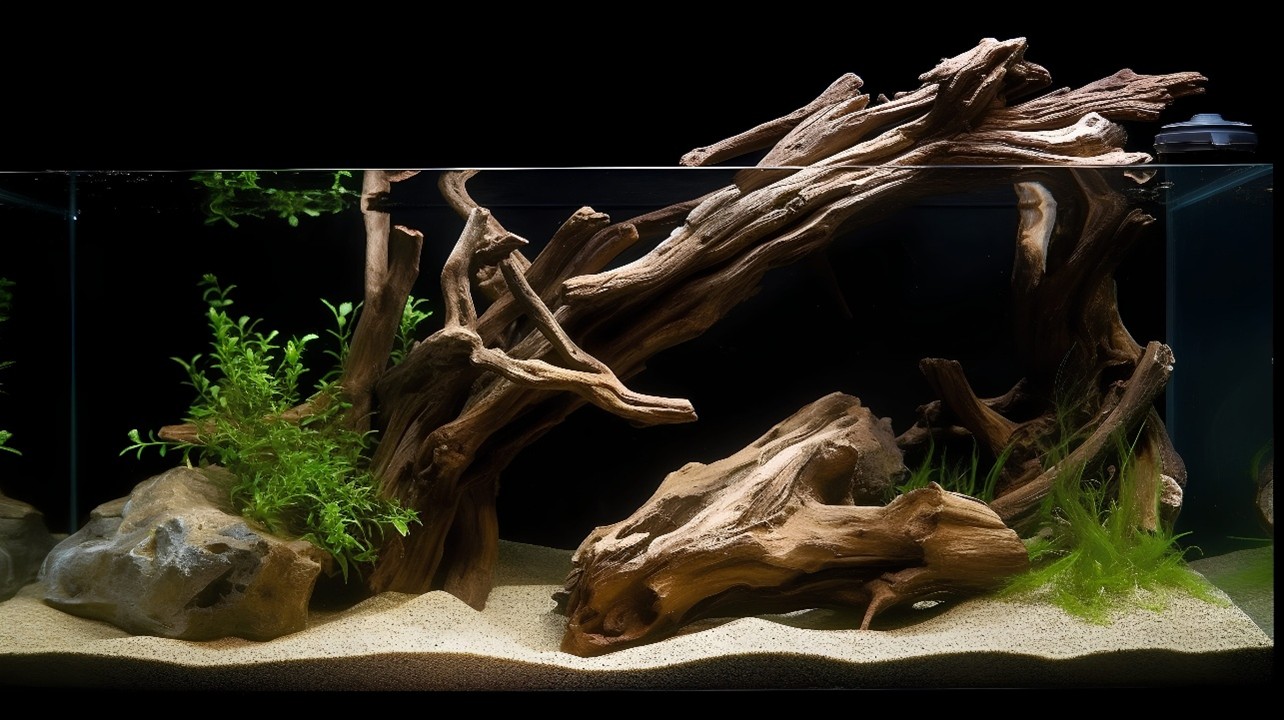
One of the most significant trends in recent years is the growth of aquascaping as a design discipline. Aquascaping refers to the artful arrangement of aquatic plants, rocks, driftwood, and substrate to create natural-looking underwater landscapes. Inspired by principles similar to landscape architecture and bonsai design, aquascaping emphasizes composition, balance, and perspective. Contemporary aquascapes often draw influence from natural environments such as mountain valleys, riverbanks, and forest scenes. Techniques like the “Nature Aquarium” style, popularized by Japanese aquarists, prioritize harmony and organic flow. Hardscape elements, such as stone and wood, are carefully positioned to create depth and visual movement.
Minimalism is a defining characteristic of modern aquascaping. Rather than overcrowding tanks with decorations, designers focus on negative space and clean lines. The result is a tranquil, gallery-like presentation that allows viewers to appreciate both aquatic life and structural composition. Advanced LED lighting systems further enhance aquascaping. Adjustable spectrum lighting supports plant growth while highlighting textures and shadows within the layout. The combination of horticulture and design transforms aquariums into living works of art.
Rimless Tanks and Ultra-Clear Glass
Another defining trend in modern aquarium design is the popularity of rimless tanks. Traditional aquariums often featured thick frames and visible braces that interrupted sightlines. Rimless tanks, constructed with high-quality glass and reinforced silicone seams, eliminate bulky frames for a seamless aesthetic. The clean edges of rimless tanks create a contemporary, minimalist look that complements modern interiors. With no plastic trim obscuring the top or sides, the focus remains entirely on the aquatic environment within.
Ultra-clear, low-iron glass has also become a standard in premium aquarium design. Unlike conventional glass, low-iron panels reduce green tinting, resulting in greater transparency and color accuracy. This clarity enhances the vibrancy of fish, corals, and plant life, offering a more immersive viewing experience. Together, rimless construction and ultra-clear materials contribute to a sleek, architectural feel that aligns with modern design sensibilities.
Built-In and Custom Architectural Systems
Perhaps the most transformative trend in aquarium design is architectural integration. Rather than positioning tanks as freestanding furniture pieces, designers are incorporating aquariums directly into walls, cabinetry, and structural elements.
Built-in aquariums serve as room dividers, wall features, or focal points in entryways and lobbies. In residential settings, they may be recessed into living room walls or integrated into kitchen islands. In commercial spaces, aquariums often become branding elements that elevate ambiance and client experience.
This architectural approach requires careful planning. Structural support, electrical access, plumbing, and maintenance access must all be considered during installation. Modern design prioritizes hidden filtration systems, concealed wiring, and discreet cabinetry to maintain a clean appearance. Custom installations also allow for large-scale tanks with panoramic viewing panels. These expansive systems create immersive experiences that blur the line between interior design and living ecosystem.
The Continued Popularity of Reef Systems
Marine reef aquariums remain a strong trend in modern design, particularly in luxury residential and commercial environments. Reef systems feature live coral, marine fish, and invertebrates, creating vibrant, dynamic displays.
Advancements in reef technology have made these systems more accessible and stable. High-efficiency protein skimmers, automated dosing systems, and advanced lighting with programmable spectrums support coral growth and color enhancement.
Reef aquariums are often chosen for their visual impact. The movement of coral polyps, the diversity of marine species, and the intensity of color create a striking display. However, modern reef design also emphasizes sustainability and responsible sourcing practices, reflecting growing environmental awareness within the hobby.
As reef systems become more sophisticated, they increasingly incorporate automation and remote monitoring to maintain stability while reducing manual intervention.
Smart Technology and Automation
Technology integration is another major trend shaping modern aquarium systems. Automated top-off systems maintain consistent water levels. Digital controllers regulate temperature, lighting cycles, and dosing schedules. Remote monitoring apps allow owners and service providers to track system health in real time.
These innovations enhance precision and reduce human error. For large built-in installations or commercial aquariums, smart technology ensures consistent performance even between maintenance visits.
Automation also supports energy efficiency. LED lighting consumes less power while providing customizable light spectrums. Variable-speed pumps optimize flow rates without excessive energy use. As sustainability becomes a greater priority, efficient system design continues to gain traction.
Biophilic Design and Wellness Integration
Modern aquarium design increasingly aligns with biophilic design principles, which emphasize incorporating natural elements into built environments. Water features, greenery, and living systems are known to reduce stress and improve mental well-being.
Aquariums fit naturally into this framework. Their gentle movement, natural textures, and ambient lighting create calming environments in homes, offices, and healthcare facilities. Designers often position aquariums in waiting areas, conference rooms, and collaborative spaces to enhance atmosphere and support wellness.
Integrated aquariums can serve as focal points that soften contemporary architecture, balancing hard surfaces with organic life.
Custom Cabinetry and Minimalist Aesthetics
Modern aquariums often feature custom cabinetry designed to complement surrounding interiors. Clean lines, neutral color palettes, and hidden storage contribute to a cohesive aesthetic.
Floating cabinets and wall-mounted systems are becoming more common, creating a sense of lightness and openness. Matte finishes and natural wood tones align with contemporary interior trends. By treating the aquarium stand as a piece of custom furniture, designers ensure that the system enhances rather than competes with the overall space.
Sustainability and Responsible Design
Environmental awareness is shaping modern aquarium trends as well. Aquarists are increasingly prioritizing sustainable livestock sourcing, captive-bred species, and energy-efficient equipment.
Natural filtration methods, such as refugiums and planted systems, reduce reliance on chemical additives. Aquascaping trends often emphasize live plants, which contribute to biological balance and reduce nutrient buildup.
As global conversations around conservation continue, responsible aquarium design reflects a broader commitment to ecological stewardship.
Modern aquarium design represents a fusion of artistry, engineering, and environmental science. From minimalist rimless tanks and intricate aquascapes to fully integrated architectural installations and advanced reef systems, today’s aquariums are as much about design innovation as they are about aquatic life.
Technological advancements, sustainable practices, and wellness-focused integration continue to push the industry forward. Aquariums are no longer decorative afterthoughts, they are immersive living systems that enhance spaces aesthetically, emotionally, and environmentally.
As trends evolve, one constant remains: the appeal of bringing carefully curated, living ecosystems into modern environments. Whether through subtle built-in features or dramatic reef displays, modern aquarium design transforms water, light, and life into a seamless extension of contemporary architecture.