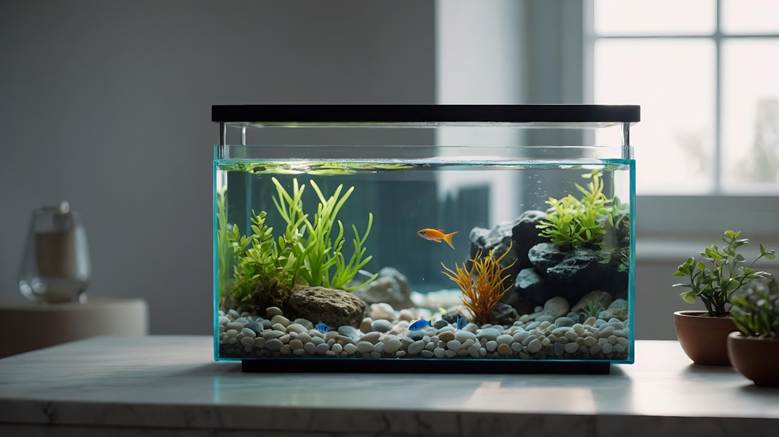
Aquariums are often associated with large, statement-making installations, expansive reef systems, custom-built wall tanks, or dramatic centerpieces in luxury spaces. However, the beauty and benefits of an aquarium are not limited by square footage. In fact, with thoughtful design and strategic planning, even the smallest spaces can accommodate stunning, functional aquariums that deliver both visual impact and a meaningful experience.
For apartment dwellers, office environments, and compact living spaces, the challenge lies in balancing aesthetics, practicality, and ease of maintenance. Ryan Kellogg understands that a well-designed small aquarium does more than simply “fit”; it enhances the space, complements its surroundings, and operates efficiently without adding unnecessary complexity.
Rethinking Scale: Why Small Aquariums Can Make a Big Impact
One of the most common misconceptions about aquariums is that bigger is always better. While larger tanks offer more room for aquatic life and can be easier to stabilize chemically, small aquariums have unique advantages—particularly in constrained environments.
Compact aquariums are:
- Easier to integrate into existing layouts
- More affordable in terms of setup and maintenance
- Highly customizable for specific design aesthetics
- Ideal for creating focused visual moments within a room
In a small space, a thoughtfully placed aquarium can serve as a focal point, drawing attention and adding depth without overwhelming the environment. Rather than competing with other design elements, it becomes a curated feature that enhances the overall atmosphere.
Choosing the Right Tank Size and Shape
Designing for a small space begins with selecting the appropriate tank size and shape. While it may be tempting to choose the smallest possible option, extremely small tanks (often referred to as nano tanks) can be more difficult to maintain due to rapid fluctuations in water parameters.
A balanced approach is key. Tanks in the range of 5 to 20 gallons often provide enough volume to maintain stability while still fitting comfortably in compact areas.
Shape also plays a critical role:
- Rectangular tanks offer the most usable space and are easier to aquascape
- Cube tanks create a modern, symmetrical look and work well on desks or side tables
- Vertical tanks maximize height when floor space is limited, adding a dramatic visual element
Selecting the right form factor ensures that the aquarium integrates seamlessly into the space rather than feeling like an afterthought.
Strategic Placement: Making the Most of Limited Space
Placement is one of the most important factors in small-space aquarium design. In compact environments, every inch matters, and the goal is to position the aquarium where it enhances the room without creating clutter or obstruction.
Ideal placement options include:
- Desktops or workstations, where the aquarium can provide a calming visual break
- Floating shelves, which elevate the tank and free up floor space
- Built-in cabinetry or wall niches, creating a seamless, integrated look
- Corner placements, utilizing often underused areas
It is also important to consider practical factors such as proximity to electrical outlets, ease of maintenance access, and avoidance of direct sunlight, which can lead to algae growth.
Aquascaping for Small Tanks: Creating Depth and Dimension
In a limited space, aquascaping becomes even more critical. The goal is to create the illusion of depth and complexity within a confined area, using carefully selected materials and layout techniques.
Effective small-tank aquascaping strategies include:
- Layering hardscape elements, such as rocks and driftwood, to create visual hierarchy
- Using fine-leaf plants to add texture without overcrowding
- Incorporating negative space, allowing certain areas to remain open for contrast
- Positioning focal points off-center, following design principles like the rule of thirds
Minimalism often works best in small aquariums. Rather than trying to include too many elements, a clean, intentional design can feel more impactful and sophisticated.
Equipment Selection: Compact, Efficient, and Discreet
In small spaces, bulky equipment can quickly detract from the visual appeal of an aquarium. Fortunately, modern aquarium technology offers a range of compact and discreet solutions designed specifically for smaller setups.
Key considerations include:
- Slim-profile filters that provide effective filtration without taking up excessive space
- Integrated lighting systems that eliminate the need for external fixtures
- All-in-one aquarium kits, which combine filtration, lighting, and circulation in a single unit
The goal is to maintain functionality while minimizing visual clutter. Hidden or streamlined equipment helps keep the focus on the aquarium itself rather than the mechanics behind it.
Stocking Choices: Matching Fish and Plants to the Environment
Selecting the right inhabitants is essential for both the health of the aquarium and its overall aesthetic. In small tanks, overstocking is a common mistake that can lead to poor water quality and unnecessary stress on fish.
Ideal choices for compact aquariums include:
- Small, peaceful fish species, such as tetras, rasboras, or bettas
- Shrimp and snails, which add activity while contributing to tank maintenance
- Low-maintenance plants, such as Java fern, Anubias, or mosses
Stocking should be approached with restraint. A well-balanced, lightly stocked aquarium often appears more elegant and is easier to maintain over time.
Lighting and Visual Enhancement
Lighting plays a significant role in maximizing the impact of a small aquarium. Proper lighting not only supports plant growth but also enhances colors, highlights design elements, and creates ambiance within the space.
In smaller setups:
- Use adjustable LED lighting to control brightness and color temperature
- Avoid overly intense lighting that can overwhelm the tank or promote algae growth
- Consider subtle accent lighting around the aquarium to enhance its presence in the room
A well-lit aquarium can transform from a simple tank into a dynamic visual feature, especially in environments where natural light is limited.
Maintenance Considerations in Small Spaces
While small aquariums are convenient in many ways, they do require consistent maintenance. Because of their limited water volume, changes in water chemistry can occur more quickly than in larger systems.
To maintain stability:
- Perform regular, smaller water changes
- Monitor water parameters closely
- Avoid overfeeding and excess waste buildup
- Keep equipment clean and functioning properly
Designing with maintenance in mind—such as ensuring easy access to the tank—can make routine care more manageable and less intrusive.
Enhancing Experience: Beyond Aesthetics
A well-designed small aquarium does more than improve the look of a space—it enhances how the space feels. In apartments, it can introduce a sense of tranquility and connection to nature. In offices, it can reduce stress and provide a visual break from screens. Even in the smallest environments, an aquarium can create a moment of calm and focus.
This experiential value is often what makes aquariums so impactful, regardless of their size. It is not about the scale of the installation, but the quality of the design and the thought behind it.
Designing aquariums for small spaces is an exercise in creativity, precision, and intentionality. By carefully selecting tank size, optimizing placement, simplifying aquascaping, and choosing appropriate equipment and inhabitants, it is possible to create a system that is both functional and visually striking.
In compact environments, every detail matters—and when done correctly, a small aquarium can deliver outsized impact. It becomes more than just a decorative feature; it becomes a living, breathing element of the space, bringing movement, color, and a sense of balance into even the most limited surroundings.