Ryan Kellogg Ohio
Ryan Kellogg of Ohio: Strategic Leadership, Operational Excellence, and a Passion for Aquatic Balance
Ryan Kellogg of Ohio is a Midwest-based business professional recognized for his steady leadership, operational insight, and commitment to long-term growth. With more than a decade of experience spanning operations management, strategic planning, and team development, Ryan has built a career centered on strengthening organizations from the inside out. His work reflects a practical, solutions-oriented mindset shaped by his Ohio roots and a strong belief in accountability, collaboration, and sustainable progress.
Raised in Ohio, Ryan Kellogg of Ohio developed an appreciation for hard work, community values, and hands-on problem-solving early in life. The state’s blend of industrial history, innovation, and natural beauty influenced his approach to both business and personal pursuits. He credits his Midwestern upbringing for instilling a balanced leadership style, one that values humility, consistency, and measurable results over flash or short-term wins.
Professionally, Ryan focuses on aligning people, processes, and performance goals. He is known for stepping into complex operational environments and bringing clarity through structured planning and thoughtful execution. By emphasizing communication and empowering team members, Ryan Kellogg of Ohio has helped organizations improve efficiency, streamline workflows, and build stronger internal cultures. His leadership philosophy centers on transparency and long-term thinking, ensuring that growth strategies are both ambitious and realistic.
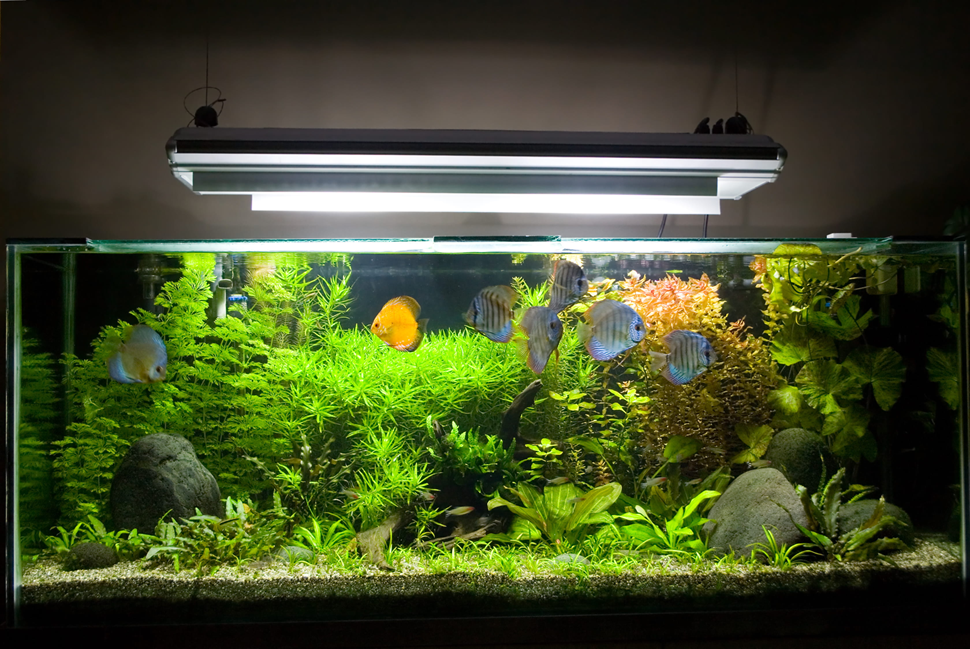
Beyond his professional work, Ryan Kellogg of Ohio has a long-standing interest in aquariums and aquatic ecosystems. What began as a hobby evolved into a deep appreciation for marine life, water chemistry, and the careful balance required to maintain thriving environments. He has spent years designing and maintaining aquariums that reflect both patience and precision. For Ryan, aquariums mirror his business philosophy: every component plays a role, balance is essential, and small, thoughtful adjustments over time lead to lasting stability.
Living in Ohio also allows Ryan to stay connected to freshwater conservation efforts and the broader Great Lakes ecosystem. He enjoys visiting regional aquariums and engaging with educational resources that highlight environmental stewardship in the Midwest. Through both his professional endeavors and personal passions, Ryan Kellogg of Ohio remains focused on growth, balance, and meaningful impact within his community and beyond.
The Benefits of Aquariums for Stress Relief and Mental Wellness
In today’s fast-paced, constantly connected world, stress has become an almost unavoidable part of daily life. From demanding work schedules to endless notifications and responsibilities at home, many people struggle to find consistent, meaningful ways to slow down and recharge. Ryan Kellogg of Ohio understands that while there are countless approaches to improving mental wellness, from meditation apps to fitness routines, one surprisingly powerful tool often goes overlooked: the aquarium.
Aquariums are far more than decorative additions to a home or office. Watching and maintaining an aquarium can provide measurable stress relief, improve concentration, and cultivate a calming atmosphere that supports long-term mental well-being. Whether it’s a modest freshwater tank in a living room or a more elaborate saltwater setup, aquariums offer unique psychological and emotional benefits that extend well beyond aesthetics.
The Calming Effect of Watching Fish
One of the most immediate benefits of an aquarium is the calming effect created by simply observing aquatic life. The gentle movement of fish gliding through water, the soft hum of filtration systems, and the subtle shimmer of light reflecting off the tank combine to create a soothing sensory experience.
Research has shown that watching fish swim can lower heart rate and reduce blood pressure. The rhythmic, unhurried movement of aquatic life encourages the viewer to slow down mentally. Unlike scrolling on a phone or watching fast-paced television, observing an aquarium invites stillness. The mind shifts from constant stimulation to quiet attention.
This visual tranquility mirrors the effects of mindfulness practices. When someone sits in front of an aquarium, they often become absorbed in the present moment, watching bubbles rise, fish interact, or plants sway with the current. Ryan Kellogg of Ohio explains that this state of focused calm can interrupt anxious thought cycles and relieve mental fatigue. Hospitals, dental offices, and therapy centers frequently install aquariums in waiting areas for this reason. Patients waiting for appointments often report feeling less anxious when an aquarium is present. The environment feels more peaceful, less clinical, and more welcoming.
A Natural Stress Reliever
Aquariums also connect people to nature, which plays a critical role in stress reduction. Even for individuals living in urban settings, a tank filled with fish and aquatic plants brings a small, controlled ecosystem indoors. Ryan Kellogg of Ohio shares that this connection to natural elements, water, movement, and plant life can have restorative effects.
Studies on biophilic design suggest that exposure to natural environments, even simulated ones, reduces cortisol levels and improves mood. An aquarium functions as a miniature ecosystem that continuously evolves. Watching fish feed, explore, and interact taps into an innate human fascination with living systems.
The gentle sounds of aquariums, flowing water, and bubbling aerators can also serve as white noise, masking disruptive background noise. This can create a more serene atmosphere in homes and workplaces alike.
Encouraging Focus and Mental Clarity
Beyond stress relief, aquariums can enhance concentration and focus. Brief breaks spent observing a tank can serve as mental resets throughout the day. Instead of reaching for a smartphone during downtime, a person might turn their attention to the aquarium. Ryan Kellogg of Ohio emphasizes that this shift allows the brain to rest from digital stimulation.
In workplace environments, aquariums have been associated with improved productivity and reduced employee tension. The calming presence of aquatic life can create a more relaxed setting, which in turn supports clearer thinking and better decision-making.
For children, aquariums can be especially beneficial. Watching fish can improve attention span and provide a quiet focal point in environments where overstimulation is common. In educational settings, aquariums often serve both as teaching tools and as calming influences in classrooms.
The Therapeutic Value of Maintenance
While watching fish is calming, maintaining an aquarium offers its own set of mental wellness benefits. Caring for aquatic life requires routine, responsibility, and attention to detail. Ryan Kellogg of Ohio explains that tasks such as testing water parameters, performing water changes, cleaning filters, and monitoring fish health create structured, purposeful activities.
Engaging in these hands-on routines can be meditative. The repetitive nature of maintenance tasks allows the mind to settle. Many hobbyists describe aquarium care as a form of active relaxation, focused enough to distract from stress, yet calming rather than demanding.
Ryan Kellogg of Ohio understands that the sense of accomplishment that comes from maintaining a healthy, thriving tank also boosts self-esteem. Successfully balancing water chemistry or seeing fish flourish under proper care reinforces feelings of competence and control. For individuals dealing with anxiety or uncertainty in other areas of life, this tangible success can be especially meaningful.
Creating a Calming Environment at Home
An aquarium transforms the atmosphere of a room. The soft lighting, moving water, and dynamic aquatic life create a living focal point that draws attention in a gentle, non-intrusive way. Unlike televisions or digital screens, aquariums do not demand engagement; they simply exist, offering quiet beauty.
In living rooms, bedrooms, or offices, an aquarium can serve as a visual anchor, something to look toward during moments of stress or reflection. Evening viewing can be particularly relaxing, as dim lighting and slow fish movement signal the brain to wind down. Many people report that having an aquarium improves their overall mood at home. Ryan Kellogg of Ohio explains that it provides a peaceful corner of the house that feels separate from daily pressures. For families, aquariums can even become shared points of interest, encouraging conversation and collective care.
Supporting Emotional Regulation
Aquariums can also aid emotional regulation. Watching fish navigate their environment encourages patience and perspective. There is no rushing the natural rhythms of aquatic life. Over time, this steady exposure to slow, balanced movement can influence one’s internal pace.
For individuals managing anxiety, depression, or high-stress careers, aquariums offer a consistent source of calm. Ryan Kellogg of Ohio explains that they are nonjudgmental, quiet companions who provide comfort without demands. In therapeutic contexts, animal-assisted interventions often highlight the emotional benefits of interacting with living creatures. While fish do not interact in the same way as dogs or cats, they still provide a sense of connection and responsibility that can support emotional well-being.
A Sustainable Wellness Practice
One of the most compelling aspects of aquarium ownership is its sustainability as a wellness practice. Unlike temporary stress relief methods, aquariums provide ongoing benefits. They evolve over time, offering new growth, changes in fish behavior, and visual variation that keep the experience fresh.
From beginner-friendly freshwater tanks to more advanced planted or reef systems, aquariums can grow alongside the hobbyist’s knowledge and interests. This gradual progression supports continuous learning and engagement, both of which contribute to cognitive health.
Aquariums are more than decorative features; they are living ecosystems that offer profound mental and emotional benefits. From reducing stress and lowering blood pressure to enhancing focus and encouraging mindfulness, the simple act of watching fish swim can have meaningful psychological effects.
Maintaining an aquarium adds another dimension, providing structure, purpose, and a sense of accomplishment. Together, observation and care create a holistic wellness practice that blends nature, routine, and quiet reflection. Ryan Kellogg of Ohio emphasizes that in a world that often feels hurried and overstimulated, aquariums offer something increasingly rare: steady movement, natural beauty, and a peaceful pause. For those seeking sustainable ways to support mental wellness, the gentle world beneath the water’s surface may be exactly what they need.